SEO For Family Law: Top 10 SEO Tips & Best SEO Companies For Family Lawyers
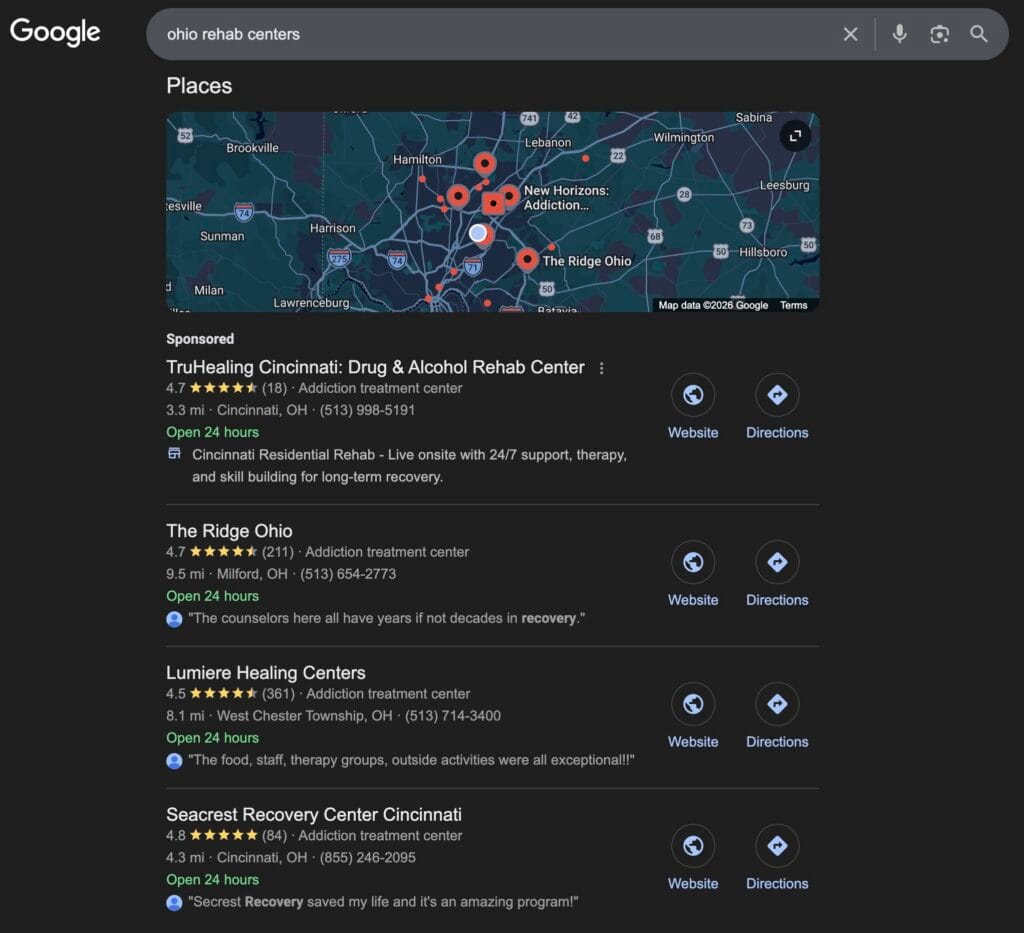
A couple has decided to divorce. It’s not a decision they made lightly, and by the time they’re searching online, emotions are running high. They open Google and type ‘divorce lawyer near me.’ They scroll past the ads, glance at the Map Pack, and call the first firm that looks credible with good reviews.
But as you may already know… that firm might not be the best one in town. It might not even be the most experienced. But it showed up, it had reviews, so they got the case.
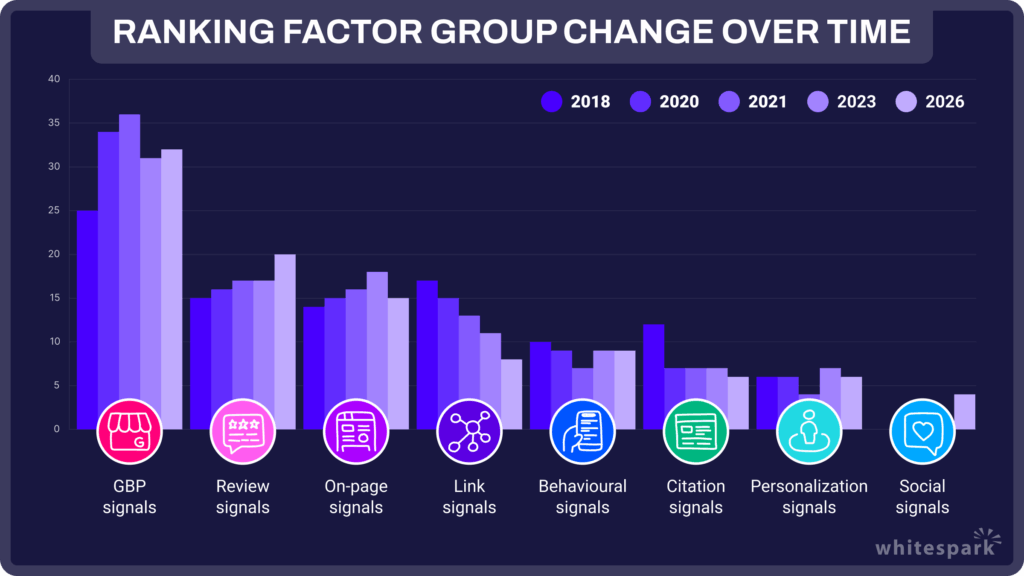
This is the reality of family law in 2026. People facing divorce, custody battles, and child support disputes don’t have time to research ten law firms, and younger generations are less likely to ask their network – they search online. If your firm isn’t visible at that exact moment, a competitor gets the case.
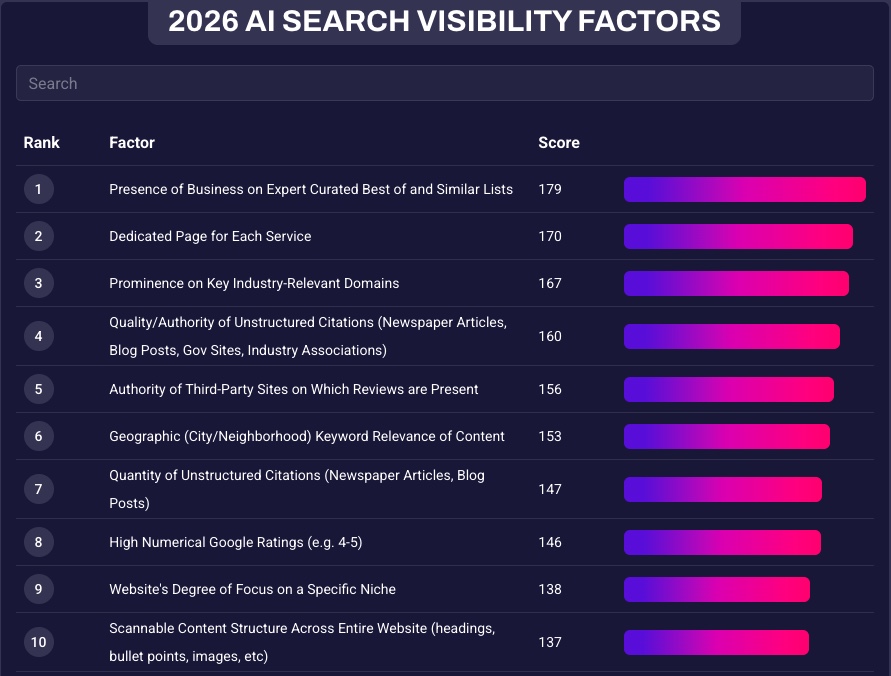
The same is true in ChatGPT or Gemini. We’re seeing extremely high conversion rates for LLM traffic and leads, which means people who search with AI are in decision-mode.
The good news: most family law firms are still doing SEO wrong. Their GBP is incomplete, their website has one catch-all ‘Family Law’ page, their strategy hyper-local strategy is non-existent, and they haven’t asked a client for a review in months. (That’s an opportunity!)
This guide covers exactly what to fix.
Why Family Law SEO Is Different
Family law isn’t like remodeling or HVAC. The person searching isn’t planning a renovation. They’re scared, overwhelmed, and often making one of the biggest decisions of their life. That context changes everything about how SEO works in this space.
- YMYL and E-E-A-T. Google classifies legal content as ‘Your Money or Your Life’ content, meaning it holds it to a higher standard. Generic, thin content doesn’t rank here. Google wants to see demonstrated expertise, real authorship, and authoritative signals before it trusts your pages with high-intent queries.
- State bar compliance. Your content, reviews, and ad copy all have to stay within your state bar’s advertising rules. No guaranteeing outcomes. No misleading claims. Most agencies don’t know this. The ones that do are worth their retainer.
- Privacy-sensitive clients. Family law clients are often reluctant to leave reviews. A divorce or custody case isn’t something most people want broadcast publicly. Your review strategy has to account for this, and it needs to be handled with care.
- Hyperlocal by nature. Family law is governed by state law and often county court procedure. Clients want an attorney who knows their local courthouse, their local judges, and the norms of their specific jurisdiction. Statewide SEO is the wrong frame. County-level SEO is where the cases are.
- High urgency, low patience. Someone searching for a divorce lawyer isn’t going to read ten pages of your website. They need to see credibility signals fast: reviews, a complete GBP, a clear phone number, and a firm that looks active and accessible.
Top 10 SEO Tips For Family Law Firms
Tip #1: Nail Your Google Business Profile Categories
If your GBP primary category is ‘Law Firm’ and you practice family law, you are competing against every attorney in your market on the broadest possible term. You will lose that fight, especially against larger multi-practice firms.
Your primary category should be ‘Family Law Attorney.’ If you also handle divorce specifically, add ‘Divorce Lawyer’ as a secondary. Google gives you up to 10 categories. Use them. Common secondaries for family law firms:
- Divorce Lawyer
- Child Custody Attorney
- Legal Services
- Mediation Service (if applicable)
- Estate Planning Attorney (if applicable)
The primary category is the single highest-impact GBP change most family law firms can make and it takes 30 seconds.
Tip #2: Build Out Your GBP Services Section
The GBP services section is not a formality. It is a ranking signal, and the auto-suggested services inside it have a documented track record of boosting Map Pack performance. Most family law firms leave this section vague or blank entirely.
So, most importantly: Be sure to choose Google’s auto-suggested services, and you can add services for each of your categories. These have been proven to directly affect visibility for specific service terms.
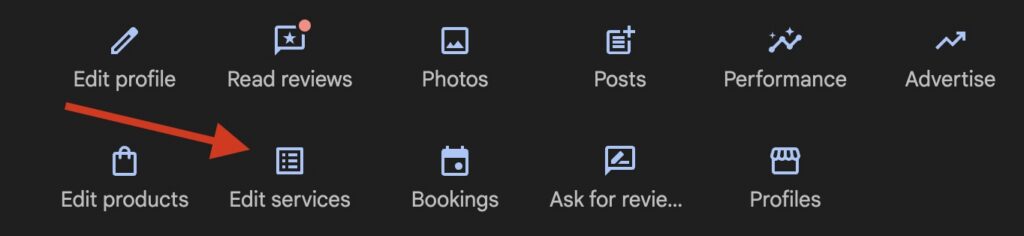
You can also add custom services, which have been shown to also affect rankings, though much milder compared to auto-suggested service terms.
Family lawyers should consider adding some of these services to Google Business Profile:
Divorce Lawyer (category)
• Child support litigation
• Collaborative divorce representation
• Contested divorce litigation
• Custody & visitation rights litigation
• Modification of court orders
• Parent timesharing litigation
• Prenups & marital agreements writing
• Property division litigation
• Spousal support & alimony litigation
• Uncontested divorce legal services
• Asset Investigation & Division
• Child Support Cases
• Divorce And Custody Attorneys
• Divorce And Family Law
• Divorce Financial Planning
• Divorce Lawyer Child Custody
• Family Law Lawyer
Family Law Attorney (category)
• Divorce litigation
• Child Support Lawyers
• Mother’s Rights Child Custody Lawyers
• Post-Divorce Child Custody Modification
• Prenuptual Agreements
Write a real service description for each practice area you handle. Be specific:
- ‘Divorce representation including asset division, spousal support negotiation, and contested vs. uncontested proceedings. Serving [County] County families.’
- ‘Child custody and parenting time disputes. We represent both mothers and fathers in [City] and surrounding areas.’
- ‘Domestic violence protective orders. Emergency and permanent restraining order filings in [County] County.’
Specificity helps Google, and it pre-qualifies the people who call you. Someone who reads your services description before calling already knows you handle their situation.
Tip #3: Separate Practice Area Pages on Your Website
One page titled ‘Family Law Services’ is not a strategy. It’s a placeholder.
Google treats each URL as a separate document. If you want to rank for ‘divorce attorney [city]’ AND ‘child custody lawyer [city]’ AND ‘child support attorney [city],’ those need to be separate pages, each with real content, real depth, and real keyword targeting.
Every meaningful practice area your firm handles needs a dedicated page:
- Divorce (and separate pages for contested vs. uncontested if volume justifies it)
- Child Custody
- Child Support
- Spousal Support / Alimony
- Domestic Violence / Protective Orders
- Property Division
- Paternity
- Adoption (if applicable)
Thin pages won’t cut it. Each one needs 800 words minimum, real information about how that type of case works in your state and county, and a clear call to action.
| 💡 PRO TIP: The most common SEO mistake I see family law firms make: one generic page for everything. Google can’t rank a page for ‘child custody attorney Nashville’ if the page is also trying to rank for divorce, adoption, and spousal support. One topic, one intent, per page. |
Tip #4: Go Hyperlocal, Not Statewide
Ranking for ‘family law attorney Ohio’ is not a realistic goal for any firm below the level of a major statewide practice. And even then, it’s not where the cases come from.
The Map Pack doesn’t work at the state level. It works at the city and county level. Someone searching for a family lawyer in Columbus isn’t going to hire a firm based in Cincinnati. Google knows this. Your strategy should too.
Focus your SEO on the specific counties and cities you actually serve. Build location-specific landing pages. Mention local courthouses, local judges (where appropriate and compliant), and local procedural norms. That level of specificity builds trust with searchers and signals relevance to Google.
| 💡 PRO TIP: Run a grid scan on your GBP visibility. A 15×15 grid showing where you rank in the Map Pack across your service area will immediately show you where you’re winning and where you’re invisible. You can use tools like Whitespark’s Local Grid or to do this. It’s the fastest way to identify your hyperlocal gaps and prioritize where to focus. |
Tip #5: Reviews: More of Them & Ask Every Time.
Family law clients are private. You will never get the volume of reviews that a restaurant or a plumber gets. But that actually makes each review more valuable, because your competitors are dealing with the same barrier.
The attorneys who figure out how to get reviews consistently will dominate the Map Pack in their market. Here’s how to do it without making clients uncomfortable:
- Ask at the close of representation, not during the engagement. Once the case is resolved and the client is relieved, that’s the window.
- Make the ask personal, not automated. ‘I’m really glad we got a good result for you. If you feel comfortable, a Google review genuinely helps our practice. I can text you the link right now.’ That framing acknowledges the sensitivity without making it awkward. The best way is to ask for a favor!
- Never incentivize. Never ask for a 5-star specifically. Both violate Google’s policies and potentially your state bar rules.
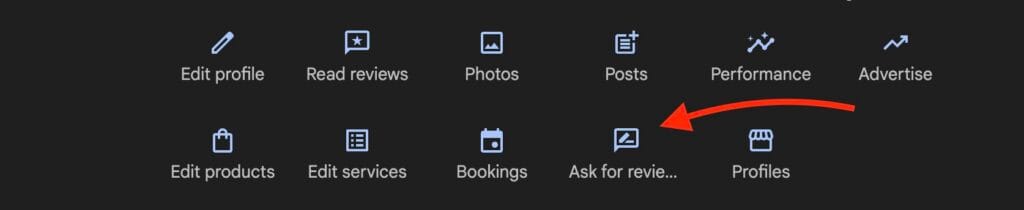
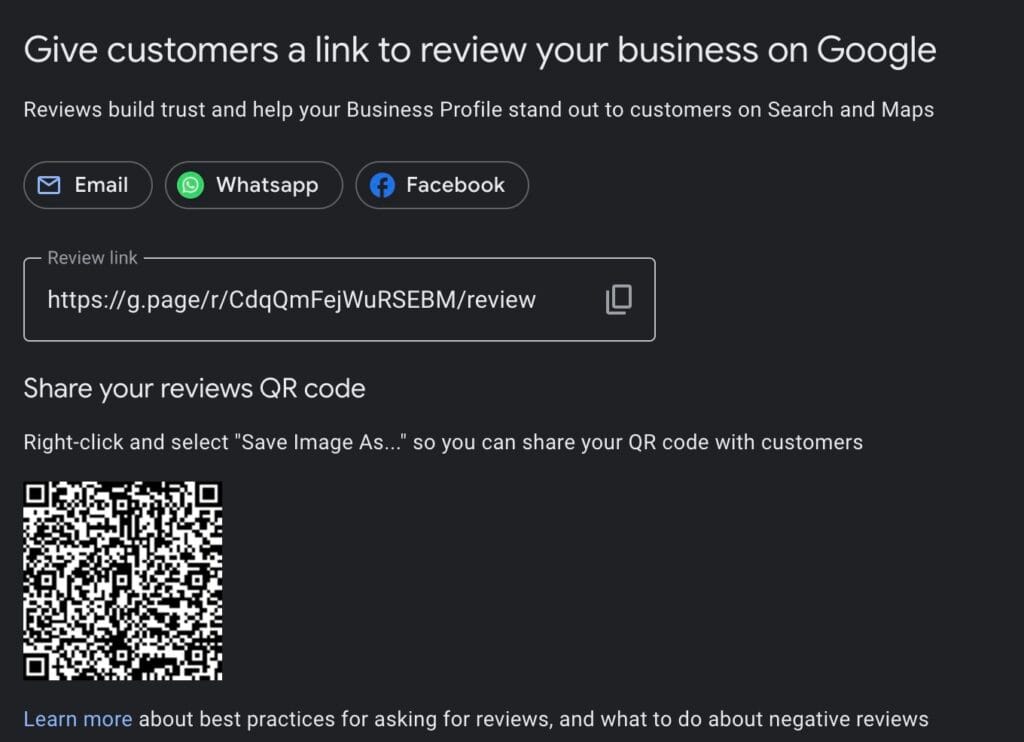
- Set up a direct review link from your GBP dashboard. Remove every possible step between the client and leaving the review. Fewer clicks equals more reviews.
9 times out of 10, a client who is happy with their outcome will leave a review when you ask them personally. Clients who aren’t happy will leave a review whether you ask or not. So ask every time.
| 💡 PRO TIP: Respond to every review, positive and negative. Your response to a negative review is often more persuasive to a prospective client than the review itself. Keep it professional, empathetic, and brief. Do NOT include any case-specific information in your response. Ever. |
Tip #6: Build the Legal Directory Stack
Legal directories are the citation infrastructure for law firm local SEO. They signal legitimacy to Google, they drive direct referral traffic, and some of them carry enough authority that a well-optimized profile can rank on its own for certain queries.
The essential directory stack for family law firms:
- Tier 1 (non-negotiable): Avvo, Justia, FindLaw, Martindale-Hubbell, Lawyers.com
- Tier 2 (high-value): HG.org, Nolo, Super Lawyers (if eligible), your state bar directory
- Tier 3 (local trust signals): BBB, Yelp, Bing Places, Apple Maps, local chamber of commerce
Before building any citations, audit what you already have. BrightLocal or Whitespark’s Citation Finder will show you where your NAP data is inconsistent across directories. Fix inconsistencies first. Your firm name, address, and phone number need to match exactly everywhere. ‘Suite 200’ vs. ‘Ste. 200’ is enough to create a mismatch that dilutes your local authority.
Tip #7: Create Content That Answers Real Questions
The people searching for family law information are typing questions, not keywords. ‘How is property divided in an Ohio divorce?’ ‘What are my rights if my ex moves out of state with our kids?’ ‘How long does a contested divorce take in Franklin County?’
Those are the queries you want to answer. Not because they’re high-volume, but because the person typing them is actively facing that situation and looking for a firm that understands it. Content that answers these questions with real specificity builds trust, signals expertise to Google, and captures searchers at the moment they’re most likely to become a client.
Content ideas that actually work for family law:
- ‘How Much Does a Divorce Cost in [County] County?’ with real ranges based on contested vs. uncontested, attorney fees, and court costs.
- ‘[State] Child Custody Laws: What Every Parent Needs to Know.’ Practical, state-specific, genuinely helpful.
- ‘What Happens to the House in a [State] Divorce?’ Property division is one of the most-searched family law topics. Own it in your market.
- ‘How to File for a Protective Order in [County] County.’ Hyperlocal, high-urgency, almost zero competition.
This kind of content also signals E-E-A-T to Google. An attorney who writes specifically about Franklin County divorce procedure looks like an expert. A generic ‘what is divorce’ page does not.
Tip #8: Optimize for AEO / GEO – Not Just SEO
In 2026, a meaningful portion of legal searches are starting with AI. Someone types into ChatGPT: ‘I need a family lawyer in Columbus, what should I look for?’ or ‘My spouse just filed for divorce, what are my first steps?’ These searches don’t always result in a Google click. But if your content is the source the AI is pulling from, you are still getting found.
Answer Engine Optimization (AEO) or Generative Engine Optimization means writing content that AI tools can cite. That means:
- Clear, direct answers to specific questions. Not vague introductions. Not legal disclaimers as the first paragraph.
- Structured content with headers that match the actual questions people ask.
- Author attribution. Real attorney names attached to real content with real credentials.
- Schema markup that tells Google (and by extension, AI systems) exactly what your content is about, who wrote it, and what practice area it covers.
If your competitor’s attorney wrote a thorough, well-structured article on Ohio divorce procedure and yours is a generic FAQ page, they win the AI citation. They also win the Google ranking. These two things are increasingly the same outcome.
Tip #9: Make Sure Your Website Is Technically Sound
Google holds legal websites to higher standards than most other industries. YMYL classification means a slow, poorly structured, or thin website is penalized more harshly than it would be for a home services business. The technical basics are not optional:
- Mobile-first. Most searches for family lawyers happen on a phone, often by someone who just received news that changed their day. Your site needs to load fast, read clearly, and make it easy to call with one tap.
- Page speed. Run your site through Google PageSpeed Insights. Anything below 70 on mobile needs work. Below 50 is an emergency.
- HTTPS. Non-secure sites are a trust killer in a practice area where confidentiality matters.
- Schema markup. LocalBusiness schema, LegalService schema, and attorney/person schema all help Google understand your site and surface it appropriately.
- Clean URL structure. Each practice area page should have a logical URL: /divorce-attorney-columbus-ohio/ not /page?id=42.
Tip #10: Track Calls from GBP Separately
Most family law firms think their calls come from their website. A large portion actually come directly from their GBP. Someone sees the Map Pack, reads your reviews, and hits the call button without ever visiting your website. If you’re not tracking this separately, you’re attributing those leads to the wrong channel and making bad marketing decisions as a result.
Set up a dedicated call tracking number for your GBP. Route it to your main line. Now you can see exactly how many qualified consultations are coming from local search versus your website versus paid ads. That data changes how you allocate your marketing budget.
| 💡 PRO TIP: Use a tool like CallRail for call tracking. Set up one number on your GBP and a different oneon your website. After 90 days, you’ll know exactly where your calls are coming from.Most attorneys are shocked by how much of their intake is driven by GBP alone. |
Hiring A Family Law SEO Company? Know The Red Flags:
Legal SEO is one of the most competitive and most exploited niches in digital marketing. There are a lot of agencies collecting retainers and delivering rank reports. Before you sign anything, ask:
- Can you show me Map Pack improvements for a family law firm in a comparable market?
- How do you handle GBP management specifically? How often is it updated and what does that include?
- Do you understand state bar advertising compliance rules in my state?
- How do you attribute leads? Are you tracking GBP calls separately from website traffic?
- What does month-to-month engagement look like versus a long-term locked contract?
- Can you share SEO ROI examples from past family law clients?
- Do you have family law referrals I can speak with?
Run from anyone who guarantees rankings, locks you into 24-month contracts, or can’t show you real client results in this practice area. Activity-based reporting like ‘we published four blog posts this month’ is not an outcome. Qualified consultations and retained cases are outcomes.
One more red flag specific to family law: any agency that doesn’t mention state bar compliance when you’re discussing content and review strategy doesn’t understand the vertical they’re selling to.
The Best Family Law SEO Companies of 2026:
Ranked by local SEO depth, family law industry fit, and ROI accountability
| Rank | Agency | Best For | Standout Strength |
| #1 | Hoopless | Family law and high-stakes legal practices where intake directly ties to search visibility. | GBP-first local strategy tied to qualified consultations, custom WordPress design |
| #2 | Rankings.io | Family law firms in competitive markets wanting proven legal SEO at scale. | Law firm exclusive, documented case volume growth, strong Map Pack track record |
| #3 | Juris Digital | Firms wanting a full-service legal marketing partner with deep SEO and content depth. | Legal-only agency, attorney-authored content, Casey Meraz founder pedigree |
| #4 | LawRank | Firms in saturated markets needing aggressive keyword targeting and high-converting design. | UCLA Law co-founder, technical SEO depth, transparent reporting |
| #5 | BluShark Digital | Multi-location family law practices or firms with complex technical SEO needs. | Founded by practicing attorney Seth Price, strong local SEO and schema expertise |
#1: Hoopless
Hoopless was built on a specific premise: that health, law, and home services businesses get burned the most by bad agency relationships. The cost of getting it wrong is highest in those verticals. A family law firm paying $5,000 a month for rank reports isn’t a strategy, and getting it wrong is expensive.
The Hoopless approach is GBP-first, hyperlocal, and tied to outcomes that show up in your intake numbers, not just your analytics dashboard. No vanity metrics or 24-month lock-ins.
What makes Hoopless different: The team operates at the intersection of local SEO depth and vertical expertise. Family law, like behavioral health and personal injury, is a high-trust, high-urgency category where search visibility translates directly to retained cases. The strategy is built around that reality, including state bar compliance awareness that most generalist agencies skip entirely.
- Google Business Profile optimization as a primary channel, not a supplementary one
- Hyperlocal strategy: targeting winnable county and city-level searches, not unwinnable statewide terms
- Custom website design built around intake conversion
- Call tracking and attribution built in from day one
- Content that demonstrates real legal expertise in your specific jurisdiction
- ROI accountability: activity tied to qualified consultations and retained cases
Best for: Family law firms in competitive markets who are tired of paying for activity reports instead of results. You can also get a free audit of your firm and your competitors
#2: Rankings.io
Rankings.io is one of the most recognized names in legal SEO, and they’ve earned it. They work exclusively with law firms, which means every piece of their process, from keyword research to content to link building, is built around the legal industry’s specific dynamics.
For family law specifically, they bring a documented track record of improving Map Pack visibility and organic rankings in competitive markets. Their approach is data-driven and results-focused, with client reporting that goes deeper than most legal marketing agencies.
Best for: Established family law firms in competitive markets who want a proven legal SEO partner with exclusivity options and a strong track record.
Watch for: Premium pricing. This is a top-tier legal marketing agency, not a budget option for solo practitioners starting out.
#3: Juris Digital
Juris Digital has been doing legal marketing for over a decade and has built a reputation for genuine expertise. Founded by Casey Meraz, one of the most respected names in legal local SEO, the agency focuses exclusively on law firms and brings a level of strategic depth that most generalist agencies can’t match.
Their full-service model combines website design, SEO, content strategy, and paid search under one roof. What sets them apart is their willingness to be honest about what legal SEO actually requires in 2026, including GEO and AI visibility, not just traditional ranking tactics.
Best for: Family law firms that want a comprehensive digital marketing partner with deep legal industry expertise and a long-term perspective.
#4: LawRank
LawRank was co-founded by a UCLA Law School graduate, which gives them an understanding of legal practice that most marketing agencies simply don’t have. Their approach combines aggressive keyword targeting with high-converting website design and transparent, high-touch account management.
They’ve built strong case studies in competitive family law markets, with documented traffic and lead growth for firms that came to them stuck on page two or missing from the Map Pack entirely. Strong technical SEO fundamentals and honest reporting.
Best for: Family law firms in saturated markets who need aggressive SEO combined with a website that actually converts traffic into consultations.
#5: BluShark Digital
BluShark Digital was founded by Seth Price, a practicing attorney who grew his own firm significantly before starting an agency. That background matters in family law, where understanding the client relationship, the intake process, and the compliance constraints is what separates good legal marketing from expensive guesswork.
Their strength is in technical SEO depth and local optimization for multi-location practices. If you have offices in multiple counties or cities, their ability to build a scalable local SEO framework for each location is a genuine advantage.
Best for: Multi-location family law practices and firms with complex technical SEO needs that require an attorney-founded agency with real operational depth.
The Bottom Line
Family law clients are searching right now. Someone in your city typed ‘divorce attorney near me’ in the last five minutes. Whether your firm showed up, and whether it looked credible when it did, is entirely within your control.
The formula isn’t complicated. Get your GBP right. Build individual pages for each practice area. Earn reviews with a consistent, respectful ask. Stack your legal directory citations. Write content that answers real questions from real clients in your specific jurisdiction.
Most family law firms aren’t doing all of these things. The ones that are, own their local Map Pack. And they’re getting the calls.